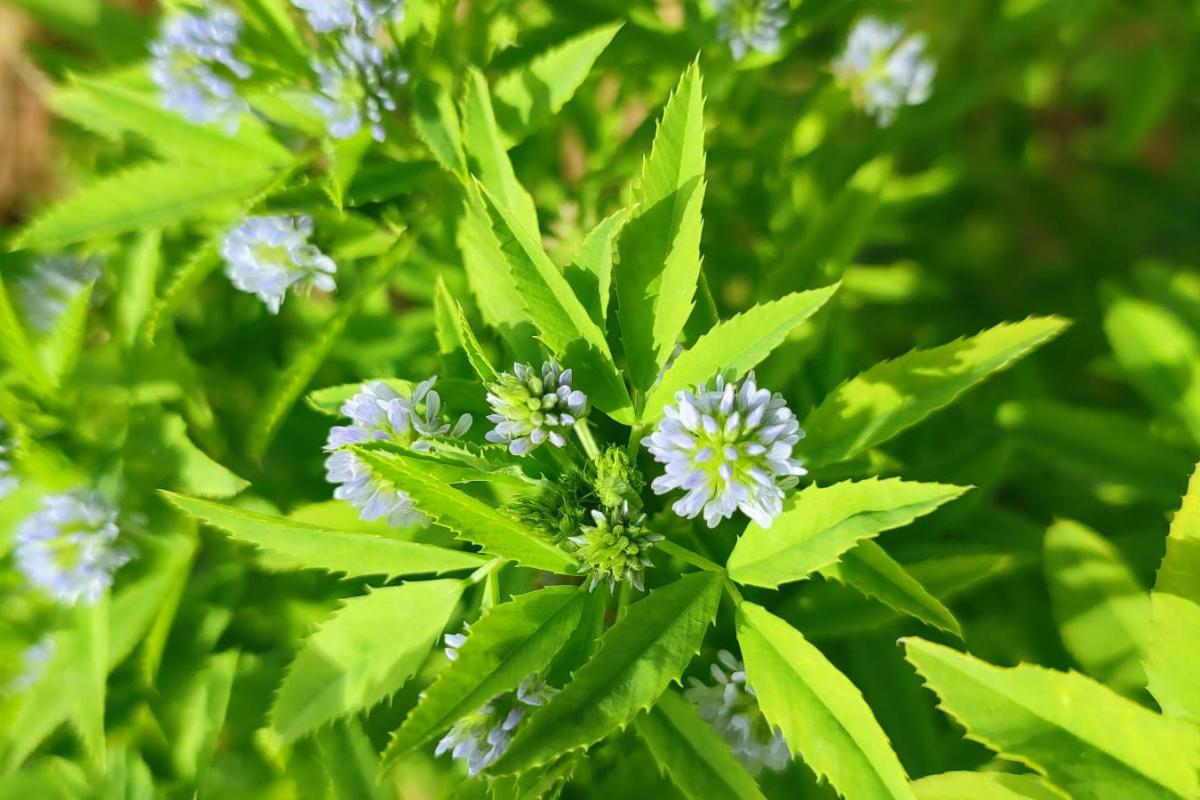
A new variety of the legendary Korungan plant, developed at the Faculty of Agriculture at Namık Kemal University in Tekirdağ and adapted to changing climate and economic conditions, has been registered by the Ministry of Agriculture and Forestry.
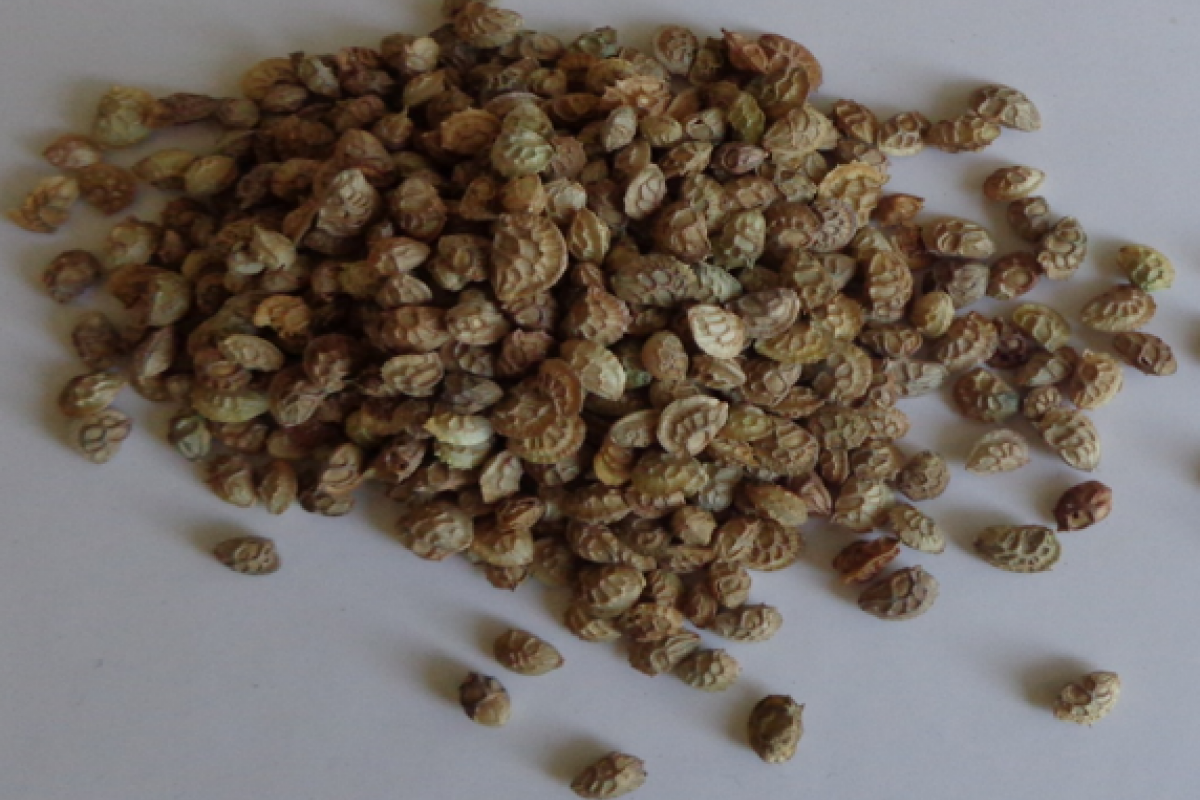
At the “Variety Registration Meeting” held on March 30, 2026, at the Directorate of Seed Registration and Certification of the Ministry of Agriculture and Forestry, Prof. Dr. Metin TUNA, a faculty member of the Department of Field Crops at the Faculty of Agriculture, Namık Kemal University in Tekirdağ, presented a report titled “Characterization of the Onobrychis viciifolia Scop. Genetic Resource Collection with Broad Natural Variation (Onobrychis viciifolia Scop.) Genetic Resource Collection Using New Cytogenetic Methods and Its Application in the Development of Varieties Suitable for the Thrace Region’ under the TÜBİTAK project numbered 215O526, initiated in 2015 and continued to this day, the developed alfalfa variety candidate has been registered under the name “NKÜ Efsane” on behalf of the Dean’s Office of the Faculty of Agriculture. Alfalfa is a perennial legume forage crop traditionally cultivated for dry hay production and grazing. As a legume, it possesses the ability to fix atmospheric nitrogen into the soil. Therefore, the plant does not require nitrogen fertilizers. Additionally, the nitrogen it fixes in the soil meets approximately 50% of the nitrogen requirement of the subsequent crop. Due to these characteristics, in the years before fertilizers were known, the fertility of agricultural soils was maintained through the rotational cultivation of legumes such as korunga.
Korunga is drought- and cold-tolerant. It can be successfully grown in calcareous soils and arid conditions. Its performance in non-irrigated conditions is superior to that of alfalfa. In Thrace, it is harvested twice a year. The forage is readily consumed by livestock and has high nutritional value (equivalent to alfalfa). It is resistant to insects that damage alfalfa leaves. The bloating issue in animals caused by alfalfa and certain other legume forage crops
is not observed in korunga. It is a highly valuable source of pollen and nectar for bees. Its honey ranks among high-quality honeys. It helps alleviate certain digestive system issues observed in animals. It possesses anti-parasitic properties. Thanks to its deep, strong root system, it improves the physical properties of the soil, increases organic matter, and reclaims the soil. It is one of the plants used to reclaim soils in areas following the closure of mining operations. Its seeds are large, making it easy to sow.
Due to these superior characteristics, alfalfa has been known for centuries and is one of the oldest plants cultivated in our country. It spread to Europe in the 1500s and later to other parts of the world. It is known that at one time, alfalfa was grown on one-seventh of the agricultural land in France and England. After World War II, to address the global food shortage, governments encouraged the use of newly discovered chemical fertilizers by distributing them for free. As a result, the cultivation areas of grains—which respond well to fertilizers—expanded at the expense of legumes, and since then, many important legume species have been neglected and forgotten. Korunga is one of these neglected plants. However, conditions around the world are changing. First, the chemical fertilizers that were once distributed for free began to be sold at a cost. Then, subsidies were withdrawn. In recent years, due to rising energy prices worldwide, the cost of chemical fertilizers has been steadily increasing, making them one of the most significant inputs in production. As a result of these rising costs, it has become very difficult to sustain production under current conditions.
On the other hand, the negative effects of chemical fertilizers on the environment and human health are a well-known fact among broad segments of society. For all these reasons, a shift has begun toward developing new, more sustainable and environmentally friendly agricultural systems by reintroducing legumes into farming practices worldwide, thereby reducing costs. Consequently, legumes—which can utilize atmospheric nitrogen and store it in the soil—are being rediscovered today. In this context, 2018 was celebrated as the International Year of Pulses. In EU countries, farmers are encouraged through subsidies to grow legumes on one-quarter of their land. Consequently, global interest in legumes has begun to rise again.
Korunga is one of the most notable legumes due to its superior agricultural characteristics and the potential it offers under changing climate, environmental, and economic conditions.
We hope that this new korunga variety will be beneficial to our University, our Region, and our country’s agriculture.